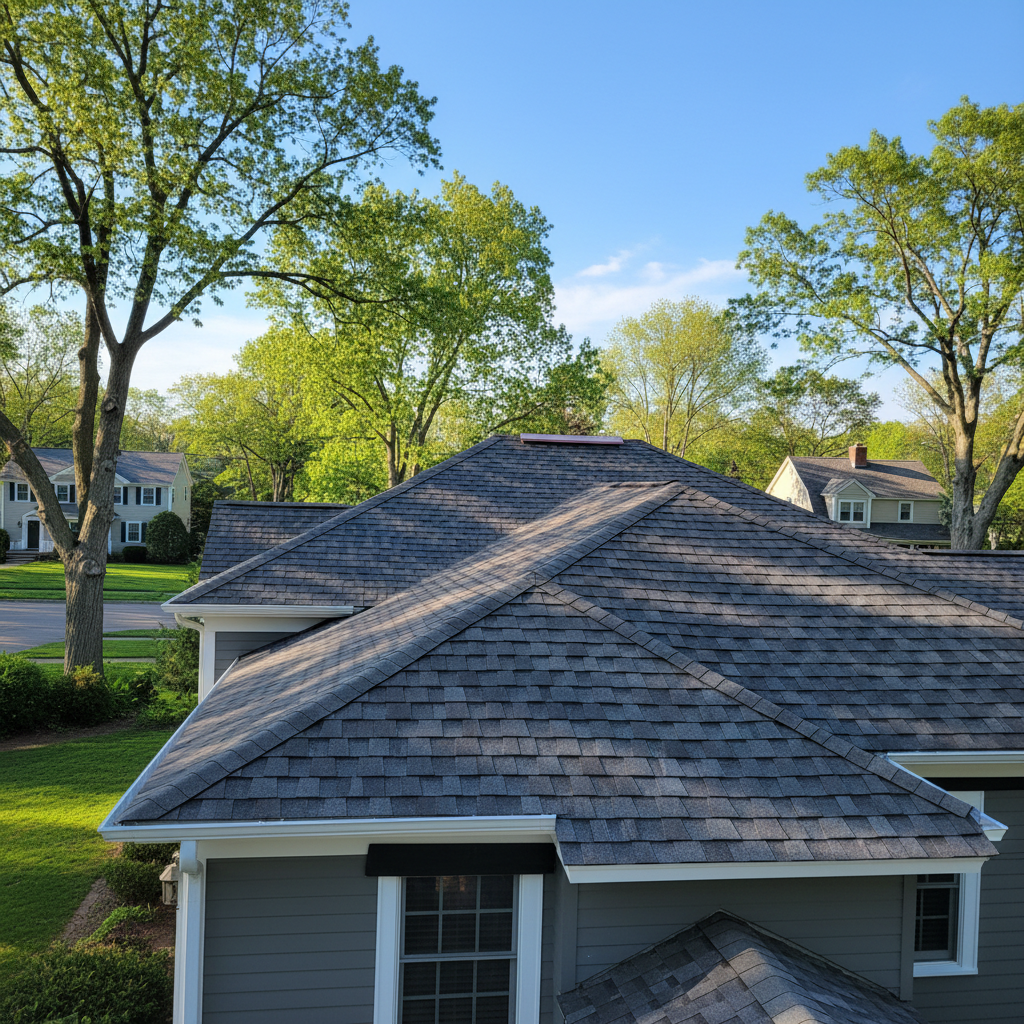
You just finished building your dream home on the East Side or up in Mount Pleasant, and the last thing on your mind is roof maintenance. After all, the materials are brand new, the flashing is tight, and the warranty booklet is still sitting in a kitchen drawer. But here is what Pioneer Roofing Solutions has seen across Providence: brand-new roofs still need a little attention right out of the gate to handle our brutal New England weather.
Rhode Island weather is very demanding. We get heavy nor'easters blowing off the bay, ice dam-friendly freeze-thaw cycles all winter long, and summer humidity that bakes asphalt shingles on those triple-digit July days. Protecting that fresh investment means understanding how to work with the climate instead of fighting it.
Extending the Life of a Brand-New Roof
Getting the maximum lifespan out of your new construction roof comes down to keeping things clear and letting the materials breathe. New Roof Installation projects and new construction roofs settle during their first year. Wood framing shifts slightly as it dries out, and thermal expansion causes shingles to lock into place. Keeping up with a few basic habits sets you up for 15 to 20 years or more of trouble-free shelter.
- Clear out fallen leaves and maple seeds from your gutters every autumn before the first freeze hits.
- Check your attic space during heavy rains to make sure the ridge vents and soffits are doing their job.
- Trim back overhanging tree branches that drop heavy wet snow onto your shingles during January blizzards.
Spotting Trouble Early
Even on new builds, things can shift or minor flaws can show up after the first real seasonal pounding. You do not need to climb up there every weekend, but you should grab a pair of binoculars twice a year and scan the surface.
Look out for stray granules piling up unusually fast in your downspouts, which indicates premature wear from wind shear. Keep an eye on your flashing around chimneys and vent pipes. If you notice daylight in the attic or dark water staining on your roof decking, do not wait for it to soak through your drywall.
Pioneer Roofing Solutions always tells homeowners that catching a minor flashing gap in November saves you from tearing out ruined ceiling insulation in February.
When to Call a Professional
Some jobs are strictly do-it-yourself, but anything involving roof safety or active leaks needs an experienced pair of boots on the ground. If a nor'easter rips off a section of your ridge cap, or you notice a soft spot in the plywood deck after a heavy melt, it is time to bring in local help. Climbing a steep, icy pitch in Providence is a fast ticket to the emergency room. Pioneer Roofing Solutions will handle the heights while you keep your feet safely on solid ground.